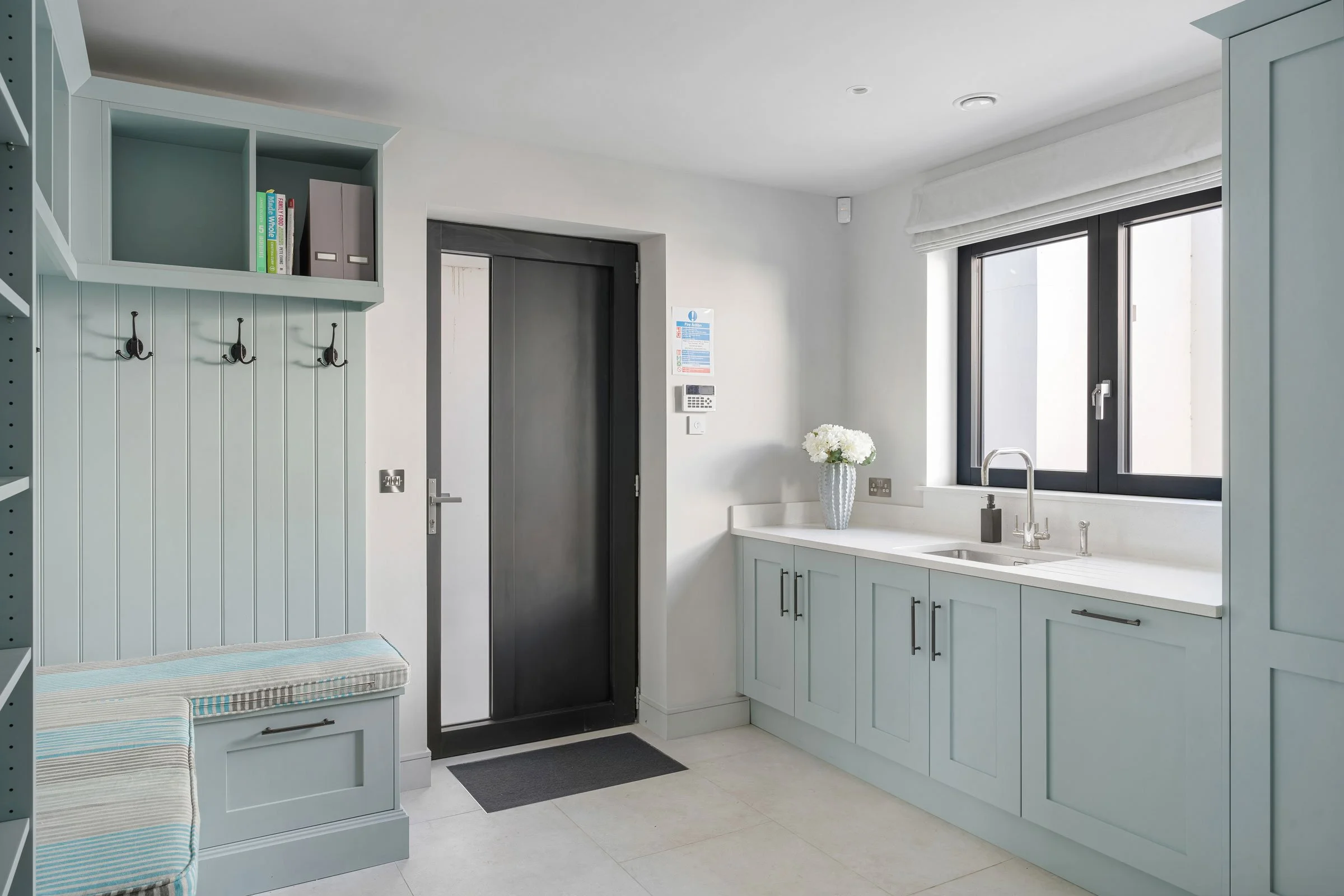
The UK is home to some beautifully varied architecture, from London townhouses and Georgian terraces to rugged coastal cottages, converted barns, modern eco homes, historic churches and luxury hotels. If you’re looking to showcase interiors or architectural design, there are specific challenges and opportunities to be aware of.
Whether you’re a client hiring a photographer, or a designer or developer wanting to present your work at its best, here are my top tips and insights from past projects to help your interiors and architecture photography stand out.

Understanding Light & Weather
Natural light in the UK can be changeable from bright sunshine to soft cloud cover within minutes.
The golden hour along the coastline produces stunning warm tones for exteriors.
Overcast skies are actually perfect for interior shoots as they diffuse harsh light.
For darker interiors professional lighting, exposure blending and careful editing are key.Timing Your Shoot: Day & Season
Summer brings longer daylight hours and softer evening light.
Winter light can be cooler but often creates dramatic shadows and mood.
Early mornings and evenings are best for exterior architecture, offering flattering light and quieter settings.
Embrace the weather as mist, rain or sea haze can add atmosphere to a shoot.Celebrating Architectural Styles & Materials
Older buildings are often rich in stone, slate, thatch and exposed timber.
Interiors often feature rustic beams, slate flooring and large fireplaces.
Modern builds frequently highlight eco friendly materials and large glass panels to frame sea or countryside views.
Good photography should capture texture, detail and the character of these spaces.Composition Tips for Interiors & Architecture
Balance wide shots with detail images to tell a complete story.
Use architectural lines such as walls, ceilings and floors to guide the viewer’s eye.
Include context such as window views, gardens or coastal surroundings that connect the building to its environment.
Styling matters as decluttering and choosing décor that complements the space ensures clean professional results.Equipment & Technical Considerations
Wide angle and tilt shift lenses are essential for accurate perspective.
A sturdy tripod enables longer exposures and sharper results.
Bracketing and HDR techniques help manage high contrast between bright windows and darker interiors.
Post production should focus on colour accuracy, perspective correction and preserving texture.Examples from Past Projects
Interiors of boutique hotels in Falmouth or St Ives where light and colour play a huge role.
A modern eco home in Exeter designed to maximise views across the valley.
A heritage farmhouse conversion in North Devon showcasing rustic textures and original features.

Each project highlights the balance between technical precision and storytelling, helping clients present their spaces at their very best.
Conclusion
Every building offers its own architectural beauty and interior character, but each also demands a thoughtful approach to light, timing and technical skill. By combining professional expertise with an understanding of place, interior and architectural photography can truly bring spaces to life both visually and online.
If you’re seeking a professional interior or architectural photographer in London or anywhere in the UK, I’d love to help showcase your project with striking carefully crafted imagery.